
What Is CPG Data Analytics (and How Does It Work)?

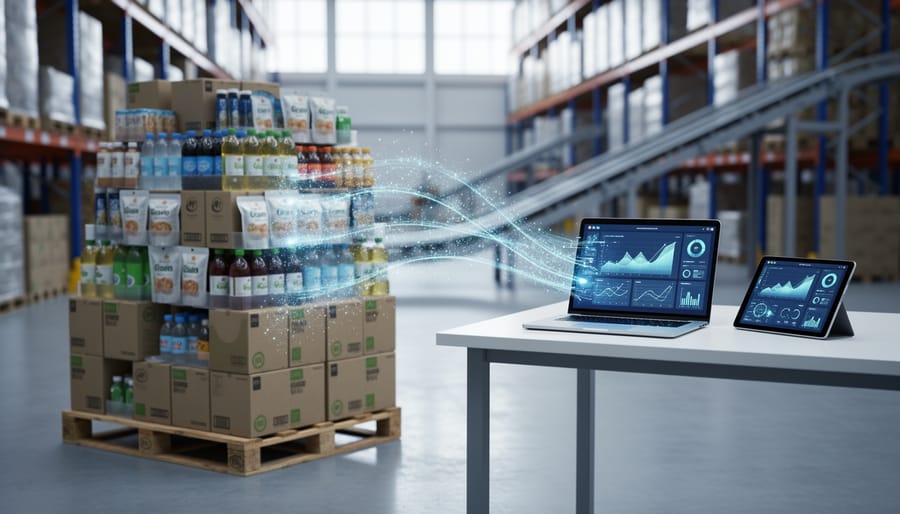
CPG data analytics is the systematic collection, processing, and interpretation of consumer packaged goods information to drive strategic business decisions across product development, pricing, distribution, and marketing. At its core, this discipline transforms raw data from point-of-sale systems, loyalty programs, social media, and supply chain networks into actionable intelligence that reveals what consumers buy, where they buy it, when purchasing patterns shift, and why certain products outperform others.
For marketing professionals and business owners in the CPG sector, understanding this capability has moved from competitive advantage to operational necessity in 2026. The volume of available data has expanded exponentially, yet many organizations struggle to translate information into profit. The gap between data collection and data utilization represents millions in unrealized revenue, making the difference between brands that anticipate market shifts and those that react too late.
This article breaks down the technical mechanics of CPG data analytics without drowning you in complexity. You’ll see exactly how modern analytics platforms ingest disparate data sources, the specific components that transform numbers into strategy, and the concrete business applications where analytics delivers measurable ROI. Whether you’re evaluating analytics investments for the first time or optimizing existing capabilities, the framework ahead clarifies what works, what matters, and where to focus resources for maximum impact. The goal is straightforward: equip you to make informed decisions about analytics technology and strategy that directly improve your bottom line.
What CPG Data Analytics Means for Your Business
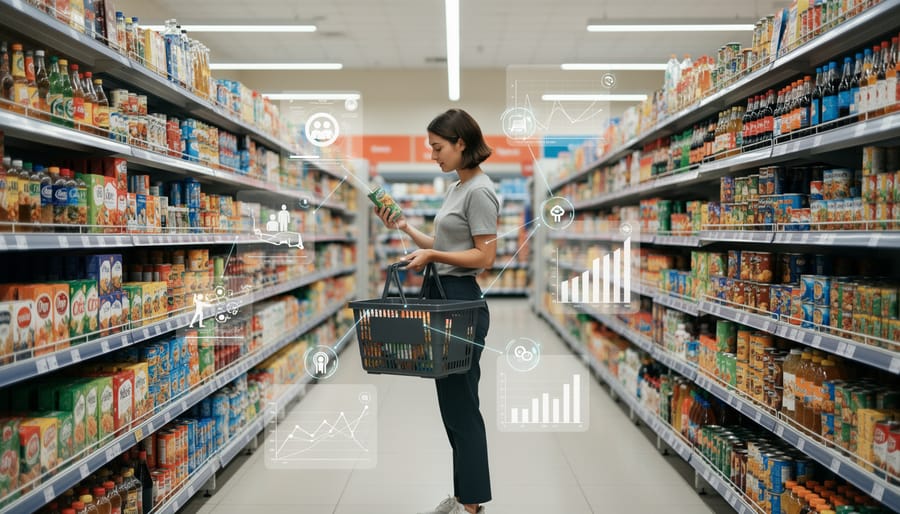
CPG data analytics transforms scattered information from thousands of transactions, social media conversations, supply chain events, and consumer interactions into clear business intelligence that shapes strategy. Instead of guessing what drives purchase decisions or which markets hold potential, your business gains concrete answers drawn from actual behavior patterns across every channel where your brand intersects with consumers.
The fundamental value lies in converting complexity into clarity. A single grocery chain processes millions of transactions weekly, each containing information about product combinations, timing, pricing response, and basket composition. Social platforms capture real-time sentiment about your products and competitors. Supply chain systems record movement patterns, shelf availability, and fulfillment speed. Consumer packaged goods analytics pulls these disparate streams together, identifies what matters, and surfaces opportunities that manual analysis would never catch.
- Structured vs. Unstructured Data
- Structured data includes organized records like sales transactions and inventory counts stored in databases, while unstructured data encompasses text reviews, social media posts, images, and video content that require processing to extract meaning.
- Predictive Analytics
- Statistical techniques and machine learning models that forecast future outcomes based on historical patterns, enabling proactive decisions about demand, pricing, and promotional effectiveness.
- Consumer Sentiment Analysis
- Natural language processing applied to reviews, social posts, and customer feedback to quantify emotional responses and opinion trends toward products, brands, or categories.
- Basket Analysis
- Examination of which products consumers purchase together in a single transaction to reveal cross-selling opportunities, complementary product relationships, and shopping mission patterns.
- Real-Time Data Processing
- Systems that analyze information as it arrives rather than in batches, enabling immediate response to emerging trends, inventory issues, or campaign performance shifts.
This intelligence drives tangible outcomes. Revenue grows when you identify which product variants resonate with specific demographics and concentrate marketing investment there. Waste decreases when demand forecasts prevent overproduction and optimize inventory levels. Customer satisfaction improves when analytics reveal friction points in the purchase journey and guide experience enhancements.
For marketing professionals, CPG data analytics enables precision that transforms campaign economics. Rather than broadcasting messages to broad audiences and hoping for relevance, advanced analytics identifies high-value consumer segments based on actual purchase propensity, channel preferences, and message responsiveness. Data management platforms integrate this intelligence with programmatic advertising systems, ensuring your creative reaches the audiences most likely to convert while minimizing spend on low-probability prospects. The result is higher engagement rates, better return on ad spend, and clearer attribution of marketing impact to business results.
How CPG Data Analytics Works
Data Collection and Integration
CPG companies draw information from an expanding ecosystem of touchpoints that capture every stage of the consumer journey. The infrastructure required to power meaningful analytics depends on connecting these varied sources into a coherent picture of market behavior.
Modern CPG data collection pulls from multiple streams simultaneously:
- Point-of-sale terminals recording transaction details, basket composition, and purchase timing across retail locations
- Mobile loyalty apps tracking individual shopping patterns, redemption behavior, and engagement frequency
- Social listening tools monitoring brand mentions, sentiment shifts, and emerging consumer conversations
- Supply chain sensors providing real-time inventory levels, shipment tracking, and warehouse conditions
- Web analytics capturing site visits, product page interactions, and e-commerce conversion paths
- Syndicated market data from research firms offering category benchmarks and competitive intelligence
- Programmatic advertising platforms delivering impression data, click-through rates, and audience demographics
The challenge lies not in accessing data but in integration. A shopper who sees a digital ad, researches products online, redeems a mobile coupon, and completes an in-store purchase generates four separate data trails. Without unification, each stream tells an incomplete story.
Integration platforms use identity resolution to connect these fragments, matching device IDs, loyalty numbers, email addresses, and transaction records to build unified customer profiles. Cloud data warehouses serve as central repositories where retailers, manufacturers, and analytics providers merge their datasets. APIs shuttle information between systems in real time, ensuring inventory data, campaign performance metrics, and sales figures flow continuously into analytical models rather than sitting in isolated silos.
Processing and Analysis
Once CPG data is collected and integrated, processing transforms it into meaningful intelligence. Machine learning algorithms scan millions of transactions to detect patterns invisible to human analysts, like subtle shifts in purchase frequency that signal emerging brand loyalty or early warnings of category decline.
Statistical models segment consumers into groups based on purchasing behavior, demographics, and engagement history. A CPG brand might discover that households buying organic snacks also respond to sustainability messaging, enabling precise targeting. Cohort analysis tracks how specific customer groups behave over time, revealing which acquisition channels deliver the highest lifetime value or which promotional strategies build repeat purchases versus one-time buyers.
Predictive modeling uses historical data to forecast future outcomes. These algorithms anticipate demand spikes during holiday seasons, identify which products will likely succeed in new markets, and predict inventory needs weeks in advance. Modern systems can process terabytes of data in minutes rather than the days or weeks traditional analytics required.
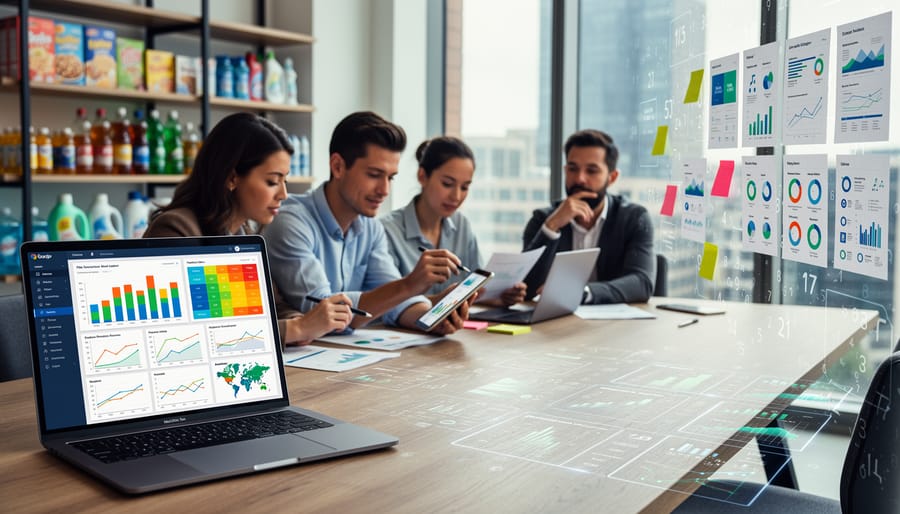
Business intelligence tools translate complex findings into visual dashboards that marketing teams and executives can interpret instantly. Automated anomaly detection flags unusual patterns, sudden drops in regional sales or unexpected competitor activity, triggering immediate investigation rather than discovery weeks later during quarterly reviews.
Cloud computing infrastructure in 2026 enables this speed and scale, allowing CPG companies to analyze real-time data streams from thousands of retail locations simultaneously. What once demanded massive on-premise servers now happens dynamically, scaling computing power up or down based on analytical needs while controlling costs.
Insights to Action
Analytics platforms serve as the critical bridge between data findings and business decisions, delivering insights through real-time dashboards that executives, brand managers, and marketing teams can access instantly. These systems transform complex statistical outputs into visual reports showing consumer preference shifts, product performance metrics, and campaign effectiveness scores that non-technical stakeholders can interpret and act upon immediately. Modern CPG analytics tools generate automated recommendations, alerting teams when promotional pricing should adjust, when inventory levels require intervention, or when digital ad creative underperforms against benchmarks.
The activation layer pushes insights directly into operational systems where decisions get executed. When analytics reveal that a target demographic responds strongly to video content on specific platforms, marketing teams receive automated audience segment files and creative recommendations that flow into programmatic advertising systems. Product development teams access consumer sentiment dashboards showing flavor preferences and packaging reactions, shortening innovation cycles from months to weeks. Inventory managers receive demand forecasts that automatically adjust reorder points across distribution networks, preventing stockouts without tying up capital in excess inventory. This seamless connection between insight and execution enables CPG brands to operate with the agility that modern markets demand, turning data superiority into measurable business outcomes across every function.
Core Components of CPG Data Analytics Systems
Data Infrastructure
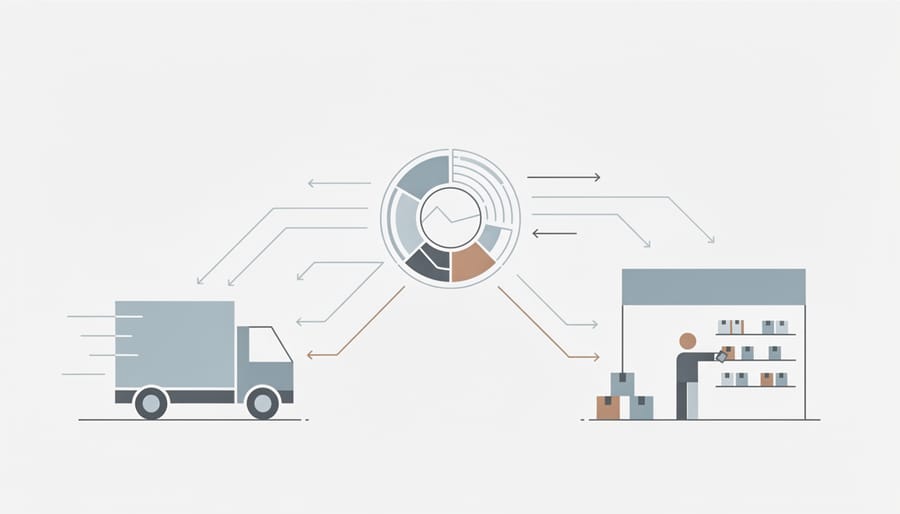
Modern CPG data infrastructure operates across three foundational platforms that handle information at unprecedented scale. Cloud data warehouses like Snowflake and Google BigQuery serve as central repositories for structured sales data, customer transactions, and inventory records, optimized for fast querying across billions of rows. These systems enable analysts to run complex calculations on years of historical data within seconds, supporting everything from quarterly business reviews to real-time dashboard updates.
Data lakes complement warehouses by storing unstructured information: social media posts, customer service transcripts, video content, IoT sensor readings from smart packaging, and clickstream data from e-commerce sites. This raw, unprocessed format preserves original context while allowing flexible analysis as business questions evolve. Amazon S3 and Azure Data Lake dominate this space in 2026.
Real-time streaming platforms like Apache Kafka and AWS Kinesis process live data flows from point-of-sale terminals, mobile apps, and digital advertising campaigns as events occur. This infrastructure powers immediate responses, triggering personalized offers when a shopper enters a store, adjusting expansion advertising bids based on current inventory levels, or alerting supply chain teams to demand spikes. Together, these three layers create the storage and processing backbone that makes CPG analytics possible at enterprise scale.
Analytics and Intelligence Layers
Machine learning models form the analytical engine of CPG data systems, identifying purchasing patterns too complex for human analysts to detect manually. These algorithms process millions of transactions simultaneously, recognizing which product combinations consumers buy together, predicting seasonal demand shifts months in advance, and flagging anomalies that signal emerging market opportunities or supply chain disruptions.
AI-powered forecasting tools have evolved dramatically since 2024, now incorporating weather data, social media trends, and economic indicators alongside historical sales figures. A beverage manufacturer can predict regional demand spikes triggered by temperature changes or sporting events, adjusting production schedules before orders materialize. This predictive capability reduces waste while capturing fleeting market moments competitors miss.
Natural language processing engines analyze consumer sentiment across review sites, social platforms, and customer service interactions. They quantify emotional responses to new flavors, identify packaging complaints before they become widespread, and detect shifting preferences toward sustainability or health attributes. Statistical analysis engines validate these insights, separating genuine trends from temporary noise through rigorous testing protocols that ensure decision-makers act on reliable intelligence rather than algorithmic artifacts.
Activation and Distribution Systems
Analytics capabilities deliver value only when insights reach the people and systems that can act on them. Activation and distribution infrastructure transforms analysis into operational intelligence by pushing recommendations, alerts, and visualizations to decision-makers the moment patterns emerge.
Business intelligence dashboards serve as command centers where marketing teams, category managers, and executives monitor key performance indicators in real time. Modern platforms display interactive visualizations, sales velocity by region, promotional lift analysis, competitive share trends, that users can drill into for granular detail. Unlike static reports that describe what happened last quarter, live dashboards reveal what’s happening right now, enabling immediate response to market shifts.
Automated alert systems monitor data streams continuously, triggering notifications when metrics cross predefined thresholds or anomalies appear. A sudden sales spike in a specific geography, unexpected inventory depletion, or negative sentiment surge on social media generates instant alerts to relevant stakeholders. This proactive intelligence prevents issues from escalating and surfaces opportunities before competitors notice them.
API integrations connect analytics platforms directly to your adTech stack customer relationship management systems, and supply chain software. Audience segments identified through analysis flow automatically into programmatic advertising platforms for campaign activation. Demand forecasts feed directly into inventory management systems to trigger reorder workflows. This seamless data movement eliminates manual transfers and ensures decisions execute at machine speed across your entire operation.
How CPG Brands Use Data Analytics
Precision Marketing and Audience Targeting
CPG brands deploy analytics to pinpoint which consumers drive the most profit, then reach them with tailored messages at the right moment across multiple touchpoints. Lookalike modeling identifies new prospects who share behavioral and demographic traits with existing high-value customers, expanding reach without wasting spend on cold audiences. Dynamic creative optimization automatically adjusts ad visuals, copy, and product highlights based on what resonates with each segment, someone interested in organic ingredients sees different messaging than a price-conscious shopper. Programmatic platforms integrate these insights with real-time bidding systems, allocating budgets to channels and placements that deliver the highest conversion rates while reducing cost per acquisition.
Key marketing applications powered by CPG analytics include:
- Lookalike modeling to scale acquisition beyond existing customer files
- Dynamic creative optimization that tailors ad content to individual preferences
- Cross-channel attribution mapping the full customer journey from awareness to purchase
- Customer lifetime value prediction identifying which segments warrant premium acquisition costs
- Micro-segmentation enabling personalized campaigns at scale across diverse consumer groups
Understanding what hdata means becomes critical here, the harmonized data layer that unifies first-party purchase records with behavioral signals across devices creates the foundation for these capabilities. Modern analytics infrastructure, powered by scalable data centers processes millions of interactions hourly to keep targeting models fresh and responsive. Sophisticated attribution and ROI measurement frameworks track which touchpoints influenced purchase decisions, enabling brands to shift budgets toward the channels that actually move products off shelves rather than chasing vanity metrics. This closed-loop system, targeting, activating, measuring, then refining, separates leaders from followers in CPG’s data-driven landscape.
Product Innovation and Portfolio Optimization
Consumer sentiment analysis reveals what shoppers genuinely want versus what brands assume they need. Natural language processing algorithms scan social media conversations, product reviews, and online forums to identify emerging flavor preferences, packaging frustrations, and usage occasions that existing products don’t address. A beverage manufacturer might discover through sentiment tracking that consumers consistently request a specific flavor combination that no competitor offers, creating a clear opening for product development.
Trend forecasting models analyze search patterns, purchase velocity data, and early adoption signals to predict which innovations will gain mainstream traction. These predictive analytics help CPG companies invest development resources in concepts with genuine market potential rather than chasing fads that fade before production scales. When analytics identified rising interest in functional beverages among Gen Z consumers in 2025, brands that acted quickly captured market share before the category became saturated.
Gap analysis compares a brand’s product portfolio against competitor offerings and consumer demand patterns to expose whitespace opportunities. Analytics might reveal that a snack brand lacks options in the growing plant-based protein segment despite strong consumer interest within their target demographic, signaling where innovation should focus.
SKU rationalization uses sales velocity data, profitability metrics, and cannibalization analysis to eliminate underperforming products that drain resources without delivering returns. Data often shows that 20% of SKUs generate 80% of revenue, making the rationalization decision straightforward when supported by hard numbers.
Supply Chain and Inventory Intelligence
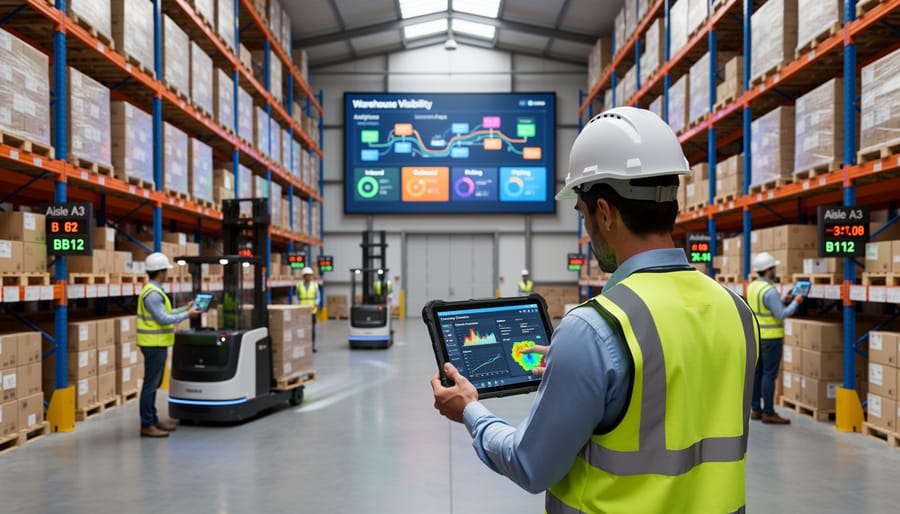
Analytics transforms CPG supply chains from reactive systems into predictive engines. Demand forecasting models analyze historical sales patterns, promotional calendars, weather data, and macroeconomic indicators to predict product volume requirements weeks or months ahead. These forecasts feed directly into production scheduling and raw material procurement, cutting lead times while reducing the capital tied up in excess inventory.
Stock optimization algorithms continuously calculate ideal inventory levels for each SKU across warehouses and retail locations. They balance holding costs against stockout risks, adjusting safety stock buffers based on demand volatility and replenishment speed. Real-time visibility into inventory positions prevents the twin disasters of empty shelves and spoilage, both margin killers for CPG brands operating on thin profit margins.
Distribution planning leverages route optimization and network modeling to minimize freight costs while maintaining service levels. Analytics identifies the most efficient warehouse placement, optimal order quantities, and ideal delivery frequencies for each retail partner.
The waste reduction impact proves substantial. Predictive spoilage models flag slow-moving inventory before expiration dates arrive, triggering promotional interventions or redistribution to outlets where movement is stronger. For perishable goods especially, these capabilities directly protect bottom-line profitability while supporting sustainability commitments.
Big Data’s Strategic Advantage in CPG
The CPG industry has always been data-intensive, but the arrival of big data fundamentally changed the competitive landscape. Traditional analytics worked with samples and snapshots, monthly sales reports, quarterly consumer surveys, annual market studies. Big data operates at a different scale entirely: billions of real-time transactions, millions of social media interactions, continuous streams from connected devices, and granular behavioral signals from every digital touchpoint. This volume, velocity, and variety of information creates strategic advantages that smaller datasets simply cannot deliver.
Market leaders exploit this data superiority across every aspect of their operations. When launching a new product, they don’t rely on focus groups and intuition. Instead, they analyze sentiment patterns across social platforms, identify emerging flavor trends before competitors notice them, and simulate market response scenarios using predictive models trained on historical launch data. They know which retailers to prioritize, which regions to enter first, and which messaging will resonate, all before the product hits shelves.
Promotional timing offers another battleground where data capabilities determine winners. Leading CPG brands monitor real-time inventory levels, weather patterns, local events, and competitor pricing to optimize promotional calendars dynamically. They launch targeted campaigns when consumer receptivity peaks, adjust discount depth based on price elasticity models, and shift budget across channels as performance data streams in. Competitors working with last month’s reports are perpetually reacting to decisions that data-driven leaders made weeks earlier.
Channel strategy has become similarly data-dependent. Understanding which distribution channels deliver the highest lifetime value for specific consumer segments, where to invest in direct-to-consumer capabilities versus strengthening retail partnerships, and how to optimize the omnichannel experience requires synthesizing data from dozens of sources. CPG companies expanding their reach across Americas particularly benefit from regional analytics that reveal market-specific preferences and distribution patterns.
The strategic gap between data-rich and data-poor CPG companies widens each quarter. Companies treating analytics as a reporting function rather than a competitive weapon find themselves perpetually one step behind in pricing, placement, promotion, and product decisions. In crowded markets where product differentiation narrows, superior data capabilities become the differentiating factor that separates market leaders from everyone else.
Common Questions About CPG Data Analytics
Business owners and marketing professionals evaluating CPG data analytics typically grapple with practical implementation questions that span technical capabilities, compliance requirements, and financial outcomes. Understanding these common concerns helps clarify what analytics investments demand and what they deliver.
What data privacy regulations affect CPG analytics?
CPG companies must comply with GDPR in Europe, CCPA in California, and similar consumer privacy laws that govern how personal data is collected, stored, and used. These regulations require explicit consumer consent, transparent data policies, and the ability to delete user information upon request.
How quickly can companies see ROI from analytics investments?
Most CPG brands observe measurable improvements in campaign efficiency and inventory optimization within three to six months of implementation. Full return on investment typically materializes over 12 to 18 months as teams refine models and integrate insights across operations.
What team skills are needed to operate analytics systems?
Successful analytics programs require data analysts who understand statistical methods, marketing professionals who can translate insights into campaigns, and technical staff who maintain data infrastructure. Many mid-sized brands partner with specialized agencies rather than building entire teams in-house.
How do small CPG brands compete with large companies’ data advantages?
Smaller brands can focus analytics on specific high-value segments, leverage third-party data platforms that aggregate market intelligence, and use cloud-based tools that don’t require massive infrastructure investments. Agility and focused execution often trump sheer data volume.
Beyond these foundational questions, integration challenges frequently surface during implementation. Legacy systems that don’t communicate with modern analytics platforms create data silos that limit comprehensive analysis. Many CPG companies address this by gradually connecting systems through APIs and middleware rather than attempting complete infrastructure overhauls. The technical lift varies dramatically based on existing digital maturity, brands with established e-commerce platforms and CRM systems integrate analytics more smoothly than those relying heavily on offline channels.
Cost structures also generate questions. Cloud-based analytics platforms operate on subscription models that scale with data volume and user seats, making enterprise-grade capabilities accessible to mid-market brands. Initial investments typically include platform fees, data integration work, and staff training, with ongoing costs centered on platform subscriptions and analyst salaries. The financial threshold has dropped significantly since 2020 as cloud providers commoditized computing power and storage.
For companies with limited historical data, predictive models can incorporate industry benchmarks and third-party market research to compensate for sparse internal records. Starting with narrower applications like social media sentiment analysis or e-commerce conversion optimization allows brands to build data assets while generating value, then expanding into more complex forecasting as information accumulates.
CPG data analytics isn’t just another business intelligence tool, it’s the foundation that separates market leaders from companies struggling to keep pace in 2026’s hyper-competitive consumer goods landscape. The brands winning today understand a critical distinction: having data means nothing if you can’t translate it into decisive action.
The real competitive advantage lies in transformation capability. Your competitors likely have access to similar data streams. What sets industry leaders apart is their ability to process millions of consumer signals in real time, extract meaningful patterns from noise, and activate those insights across marketing campaigns, product development, and distribution strategies before market conditions shift. Speed matters as much as accuracy.
This transformation requires more than implementing technology platforms. It demands expertise in connecting disparate data sources, interpreting complex consumer behavior patterns, and translating analytical findings into campaigns that genuinely resonate with target audiences. The CPG companies thriving in 2026 have built capabilities that unite data infrastructure, analytical intelligence, and marketing activation into a seamless system that continuously learns and optimizes.
At Titane, we’ve built our approach around this principle. Our data management capabilities and audience insight expertise help businesses across the Americas transform raw information into engagement strategies that deliver measurable results. We understand that effective CPG analytics isn’t about collecting every possible data point, it’s about connecting with your audience in ways that drive growth.
Ready to turn your consumer data into competitive advantage? Let’s build a data-driven strategy that actually moves the needle.
